

The intestine as a critical target of heat stress: a nutritional strategy to protect swine productivity during summer
How intestinal hypoxia, inflammation and oxidative stress contribute to performance losses during heat stress, and the role of grape polyphenols and capsaicin as nutritional support.
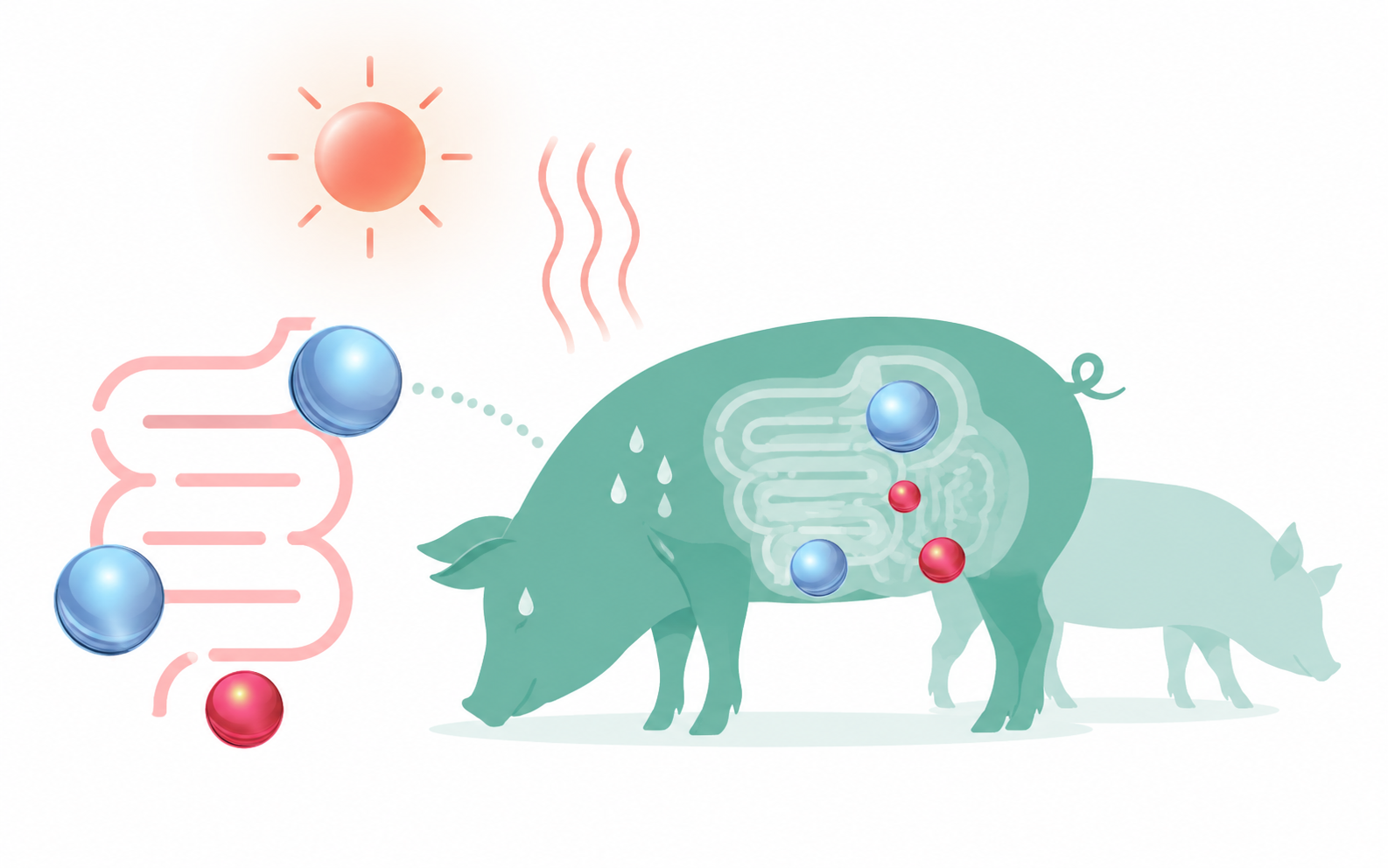
Heat stress is one of the major challenges facing modern swine production. Rising temperatures increasingly expose animals to conditions that exceed their adaptive capacity, negatively affecting growth, feed efficiency, reproductive performance and farm profitability.
When heat exceeds the pig’s adaptive capacity
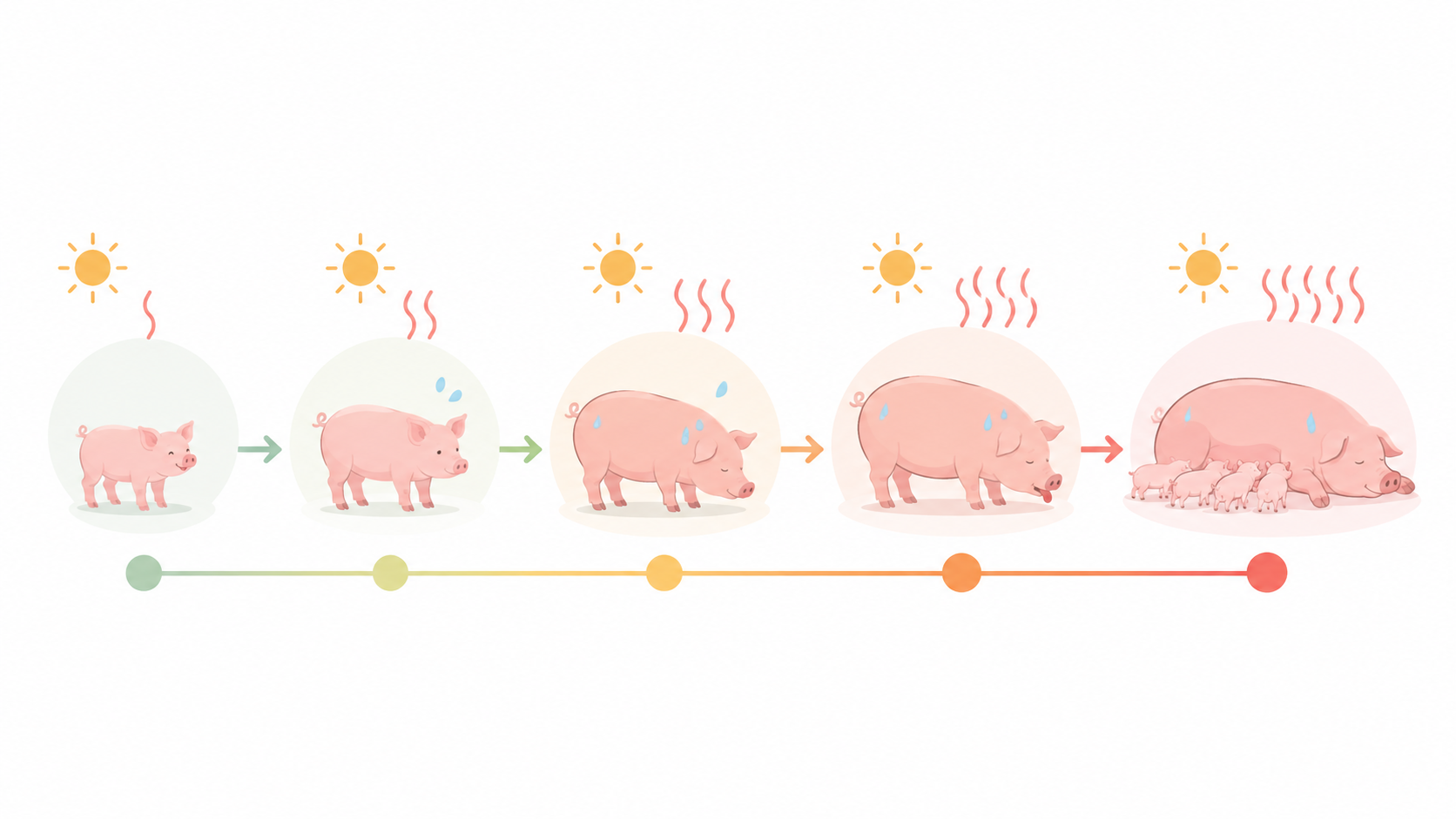
Pigs are particularly susceptible to heat stress because of their limited ability to dissipate heat, the scarcity of functional sweat glands, high metabolic heat production and the presence of subcutaneous fat.
When ambient temperature exceeds the thermoneutral zone, pigs activate adaptive mechanisms such as increased respiratory rate, reduced activity and feed intake, and redistribution of blood flow toward the periphery to facilitate heat dissipation.
When these conditions persist, physiological disturbances develop that compromise productive performance.
The intestine: a key organ in the physiological response to heat stress
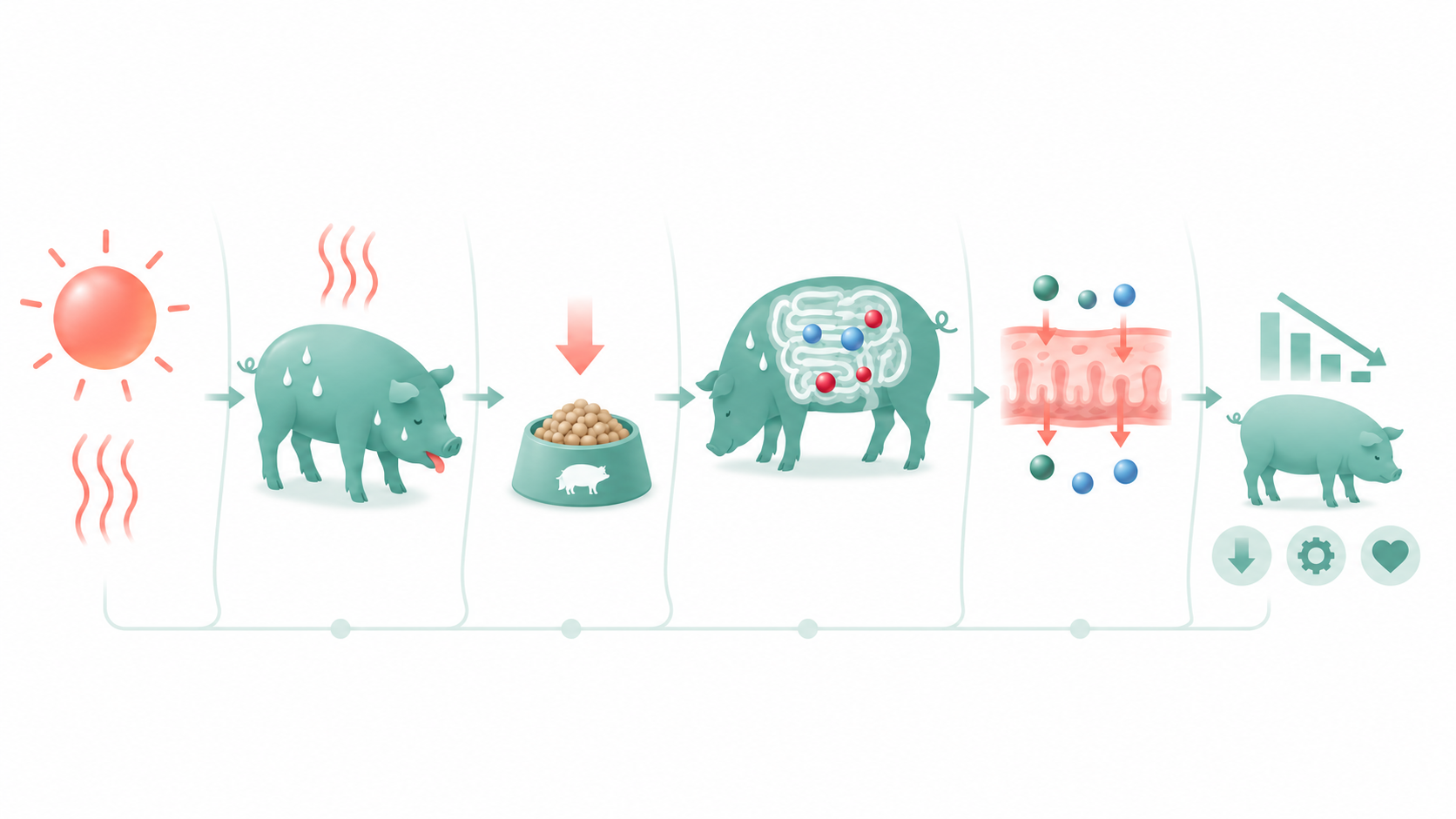
During periods of heat stress, a significant proportion of blood flow is redirected from internal organs toward the body periphery to facilitate heat dissipation.
Consequently, the gastrointestinal tract receives less oxygen and nutrients, creating a state of intestinal hypoxia that compromises intestinal mucosal function (Pearce et al., 2013; Pearce et al., 2014).
- Disruption of tight-junction integrity.
- Increased intestinal permeability.
- Reduced nutrient absorption.
- Increased translocation of bacterial endotoxins into the bloodstream.
The translocation of endotoxins triggers a systemic inflammatory response, redirecting energy and nutrients toward maintenance and immune defense. As a result, fewer resources remain available for growth, milk production and reproduction (Lance et al., 2013).
Oxidative stress: the hidden damage caused by heat
Intestinal hypoxia and systemic inflammation promote the excessive formation of reactive oxygen species (ROS), generating a condition known as oxidative stress.
When free-radical production exceeds the body’s antioxidant capacity, oxidative damage can affect:
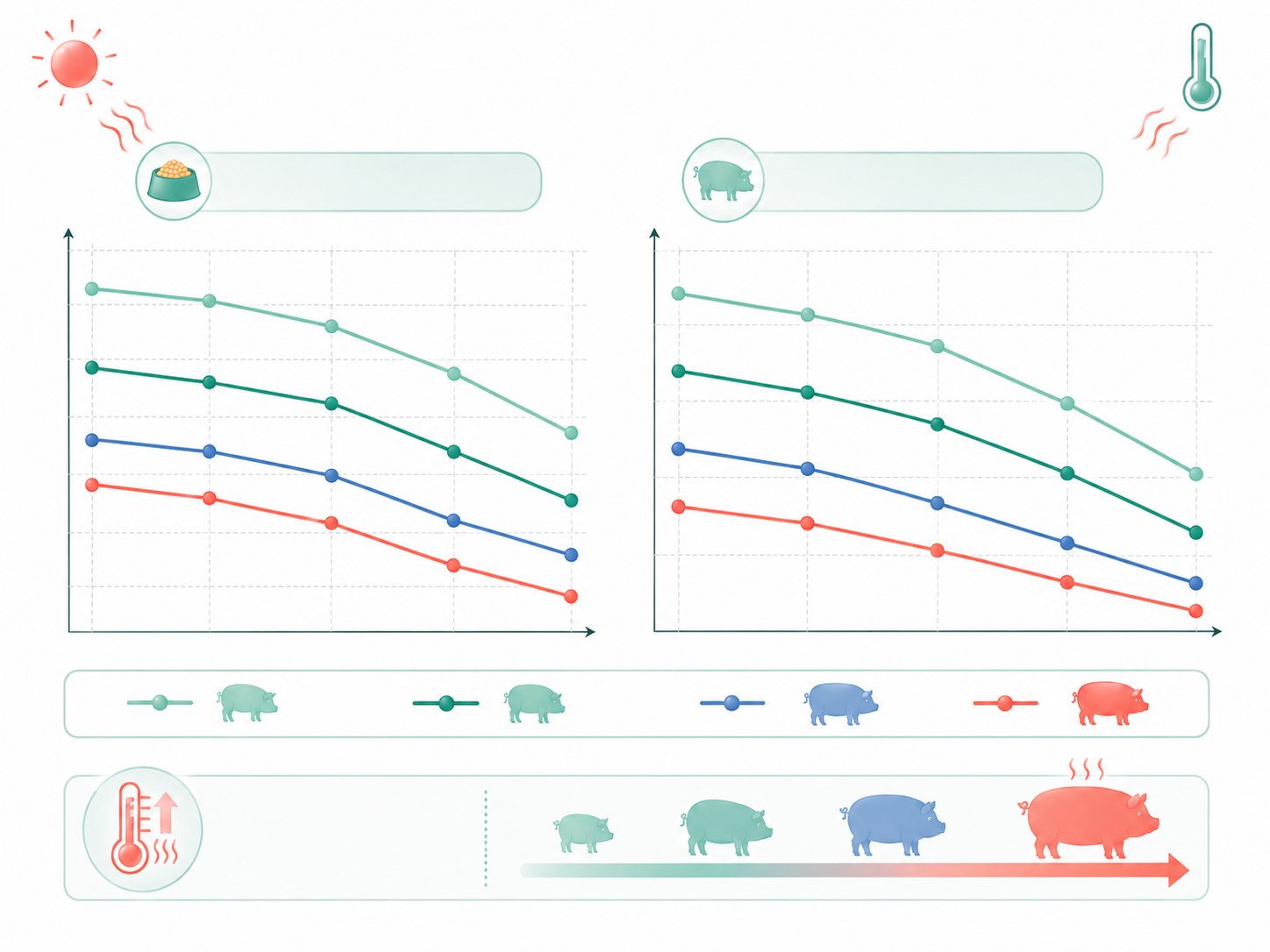
Even small daily reductions in weight gain can translate into significant economic losses by the end of the production cycle.
The economic cost of heat stress in swine production
Piglets
Young animals are particularly sensitive due to the immaturity of their physiological adaptation mechanisms.
- Reduced feed intake.
- Lower average daily gain.
- Poorer batch uniformity.
- Increased susceptibility to digestive disorders.
Growing and finishing pigs
- Reduced voluntary feed intake.
- Poorer feed conversion efficiency.
- Reduced growth rate.
- Lower slaughter weight.
Sows
Sows are among the animals most susceptible to heat stress, particularly during lactation.
- Reduced feed intake during lactation.
- Greater loss of body condition.
- Reduced milk production.
- Lower piglet weaning weight.
- Hormonal disturbances.
- Poorer colostrum quality.
- Reduced subsequent reproductive performance.
Polyphenols and capsaicin: a nutritional strategy against heat stress
Plant-derived bioactive compounds have attracted increasing interest as nutritional strategies to improve animals’ resilience to heat stress.
Grape polyphenols
Polyphenols from grape extract (Vitis vinifera) stand out because of their antioxidant and anti-inflammatory properties, helping to reduce oxidative stress, modulate inflammation, protect intestinal integrity and support immune function.
In swine, supplementation with polyphenol-rich grape extract has shown relevant effects in sows exposed to heat stress. Wang et al. (2019) observed improved antioxidant status, increased IgG and IgM concentrations in colostrum, higher piglet survival at birth and weaning, and reductions in rectal temperature and respiratory rate.
Capsaicin
Capsaicin, the main bioactive compound of peppers belonging to the Capsicum genus, complements this action through activation of the TRPV1 receptor, promoting thermoregulation, heat dissipation and peripheral blood flow.
It also contributes to modulating oxidative stress and inflammation, helping to maintain feed intake and intestinal function during periods of intense heat.
In heat-stressed growing pigs, supplementation with Capsicum spp. has been associated with increased feed intake, improved feed efficiency, greater thermal tolerance and reduced body temperature (Cervantes et al., 2024). Improvements in intestinal integrity have also been reported, with increased expression of tight-junction proteins and improved post-absorptive metabolism (Cervantes et al., 2025).
Kroscher et al. (2022) also described that capsaicin may partially prevent metabolic alterations induced by heat stress, particularly in parameters related to energy metabolism.
Taken together, these results support the use of ingredients rich in polyphenols and capsaicin as nutritional tools to reduce the physiological and productive impact of heat stress in swine.
Conclusions
Heat stress is a complex physiological challenge that affects intestinal integrity, promotes inflammation and oxidative stress, and compromises productive performance.
The combination of polyphenols and capsaicin allows simultaneous action on antioxidant protection and thermoregulation, helping to maintain animal welfare, preserve productivity and reduce the economic losses associated with heat stress.
A solution aligned with this challenge: heatCALM
A nutritional solution based on plant-derived bioactive compounds to support resilience under heat-stress conditions.
View heatCALM